


Willie Colon net worth was estimated at approximately $20 million in 2026, making the legendary salsa musician one of the most financially successful figures in Latin music. However, that number should be viewed as an estimate rather than a publicly audited figure.
Colón built his fortune through more than five decades in the entertainment industry. His income came from recorded music, songwriting, music publishing, production, arranging, live performances, royalties, licensing, and other professional activities. Unlike artists whose careers depend mainly on touring, Colón’s work as a composer, producer, and recording artist gave him opportunities to generate income from his music catalog long after individual performances ended.
Born in the South Bronx to a Puerto Rican family, Colón became one of the most influential figures in the development of New York salsa. His collaborations with Héctor Lavoe and Rubén Blades, his association with Fania Records, and landmark albums such as Siembra established a musical legacy that extended far beyond his early recording career.
Willie Colon Net Worth
How Much Was Willie Colón Worth?
Willie Colón’s estimated net worth was around $20 million at the time of his death in 2026.
The exact figure is difficult to establish because Colón did not publish a detailed personal balance sheet. Celebrity wealth websites and entertainment publications have reported different estimates, meaning there is no authoritative public document confirming an exact $20 million fortune.
The reported figure likely reflects the accumulated value of his career, including music-related assets, royalties, publishing interests, performances, recordings, and other personal assets.
Colón’s financial story is particularly interesting because he was involved in many stages of music creation. He was not only a performer. He worked as a trombonist, composer, arranger, producer, singer, and bandleader.
That variety potentially created several separate revenue streams.
His music catalog is especially important. Successful compositions and recordings can continue generating royalties through streaming, radio, licensing, reissues, compilations, and other forms of commercial exploitation.
For that reason, his wealth should be understood as the result of a long-term music career and valuable intellectual property, rather than simply the income he earned from concerts.
You must be read: Debbe Dunning Net Worth: Surprising Wealth & Career (2026)
How Willie Colón Built His Fortune
Music Recordings
Recorded music was the foundation of Colón’s career.
He signed with Fania Records as a teenager and released his debut album, El Malo, in 1967. The Los Angeles Philharmonic reports that the album eventually sold more than 300,000 copies.
That early success gave Colón an opportunity to establish himself in the rapidly developing New York salsa scene.
Over the following decades, he released and participated in numerous recordings. Every commercially successful recording potentially created income through sales, licensing, radio play, reissues, and later digital consumption.
Songwriting and Music Publishing
Songwriting was another important part of Colón’s career.
A musician who writes or co-writes compositions can potentially earn publishing royalties whenever those works are commercially used. This makes songwriting different from simply receiving a performance fee.
Colón’s involvement as a composer and arranger meant that his economic contribution to many recordings extended beyond his role as a musician.
This is one reason his music catalog is such an important part of his financial legacy.
Production and Arranging
Colón also worked behind the scenes as a producer and arranger.
His partnership with Héctor Lavoe was particularly important. Fania’s historical material identifies their collaboration as a seven-year partnership that produced 10 albums.
This work helped establish Colón as a creative force within salsa rather than simply a recording artist.
Production and arranging can provide additional compensation and professional opportunities, while successful projects can strengthen an artist’s long-term catalog value.
Concerts and Touring
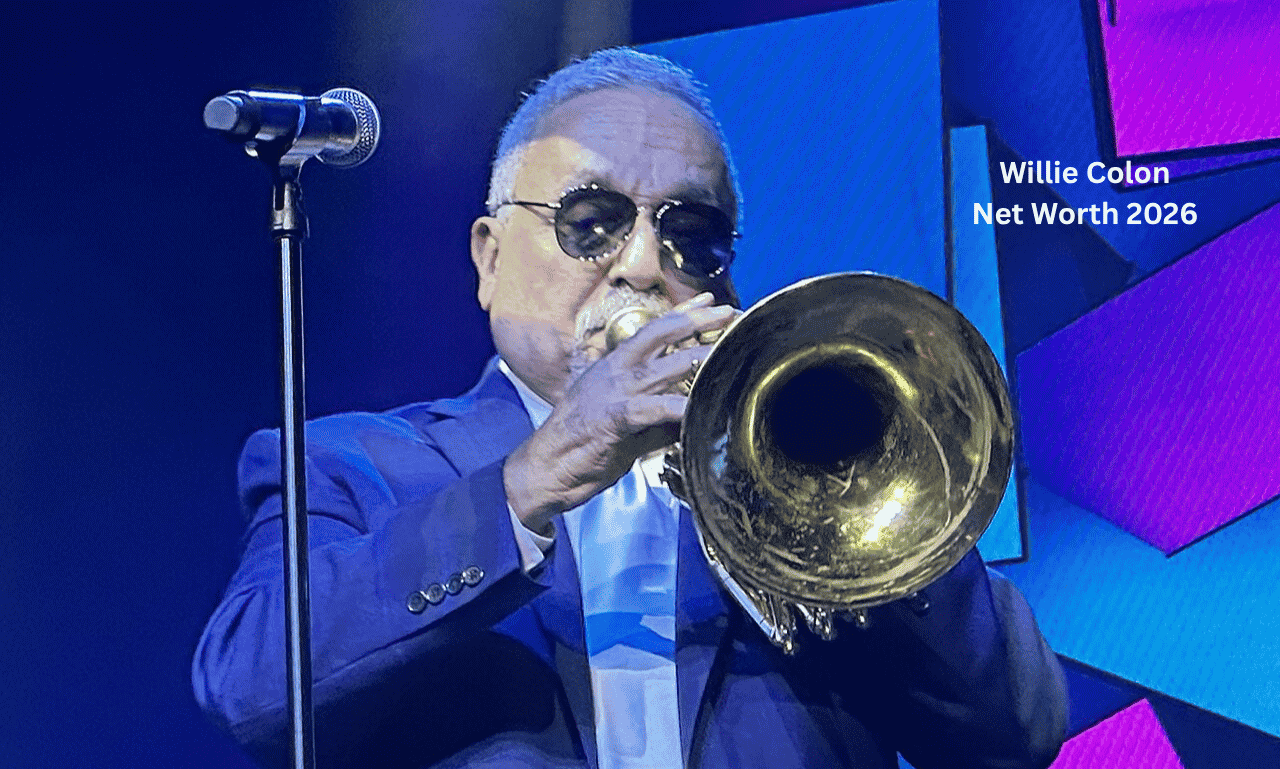
Live performances were another major source of career income.
Colón remained connected to audiences for decades after his initial breakthrough. His international reputation allowed him to perform for salsa audiences across the United States, Puerto Rico, Latin America, and other markets.
For an artist with a career spanning more than 50 years, concert income can accumulate significantly through performance fees, festivals, special appearances, and international tours.
His final performance in Puerto Rico took place in August 2025, demonstrating that he remained an active cultural figure shortly before his death.
Royalties
Royalties may be one of the most important components of Colón’s long-term wealth.
His music has remained relevant across generations. Classic salsa recordings continue to be streamed, played on radio stations, included in playlists, licensed, reissued, and featured in compilations.
Every legitimate commercial use can potentially create revenue for the appropriate rights holders.
This is particularly valuable for established artists because royalties can continue producing income even when they are not actively recording new material.
Music Licensing
Licensing represents another possible revenue source.
Songs and recordings can be licensed for documentaries, television programs, films, advertising campaigns, digital media, and other commercial projects.
A catalog containing influential salsa recordings can therefore have value beyond traditional album sales.
Film and Television
Colón also expanded his career into acting and television.
His screen credits included projects such as Miami Vice, The Last Fight, Vigilante, and It Could Happen to You.
Although acting was not the primary foundation of his fortune, these appearances expanded his professional profile and created additional entertainment-industry income.
Early Life and Education
William Anthony Colón Román was born on April 28, 1950, in the South Bronx, New York City.
He grew up in a Puerto Rican family and was surrounded by the cultural and musical influences of New York’s Latino community.
Colón initially learned to play trumpet but eventually switched to trombone. That instrument became a defining part of his musical identity.
His professional development happened remarkably early.
According to the Los Angeles Philharmonic, Colón was signed to Fania Records at only 15 years old and recorded his first album at 17.
Entering the recording business as a teenager gave him a significant advantage. Instead of waiting until adulthood to establish a career, he was already building professional relationships and creating commercially valuable recordings while still very young.
His early exposure to New York’s Latin music scene would eventually help shape the sound that became associated with modern salsa.
Willie Colón’s Career Journey
1960s: The Beginning
Colón’s professional career began during his teenage years.
His signing with Fania Records was a turning point. The label became one of the most influential forces in Latin music and played a central role in the development and international expansion of salsa.
His 1967 album El Malo introduced audiences to a young trombonist and bandleader with a distinctive sound.
1970s: Héctor Lavoe Era
The 1970s represented one of the most important periods of Colón’s career.
His collaboration with Héctor Lavoe became legendary. Together they created music that blended Afro-Caribbean rhythms with the realities and cultural identity of New York’s Puerto Rican community.
Their partnership produced 10 albums over approximately seven years.
Among the important recordings associated with this period are:
- El Malo
- Guisando
- Cosa Nuestra
- La Gran Fuga
- Lo Mato
The commercial and cultural success of these recordings helped establish Colón as one of salsa’s most recognizable names.
1978: Siembra
Another major turning point came through his collaboration with Rubén Blades.
The resulting album, Siembra, was released in 1978 and became one of the most celebrated records in salsa history.
The project demonstrated Colón’s ability to move beyond the traditional artist-and-bandleader role and work with sophisticated songwriting and socially conscious themes.
Its lasting popularity also contributed to the long-term importance of Colón’s recording catalog.
1980s and 1990s: Expansion
Colón continued recording, producing, arranging, touring, and collaborating with other artists.
He also became increasingly active outside music.
His professional involvement with organizations such as ASCAP demonstrated that his influence extended into the broader music industry.
In 1995, Colón became the first person of color to serve on ASCAP’s national board, a significant professional milestone.
2000s: Recognition
By the 2000s, Colón had already established himself as a salsa legend.
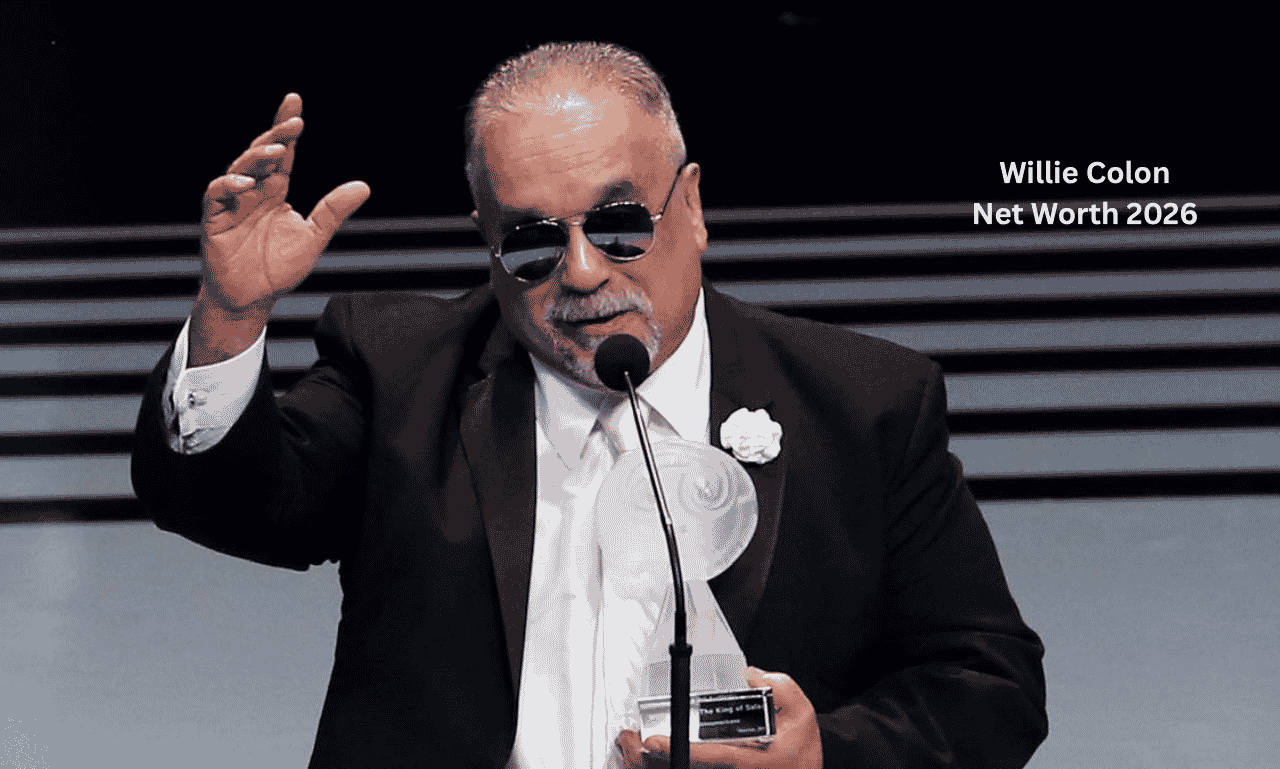
The Latin Recording Academy recognized his career with a Lifetime Achievement Award in 2004.
His influence also remained visible through performances, recordings, reissues, collaborations, and continued interest in classic salsa.
2010s–2025: Legacy Years
Colón continued performing and remained an important figure in Latin music.
His recordings continued to reach new generations through digital platforms and reissues.
The continued commercial interest in albums from his catalog demonstrated that his music had lasting value.
His final performance in Puerto Rico took place in August 2025.
Major Achievements
Willie Colón’s career included numerous significant achievements.
Ten GRAMMY Nominations
The Recording Academy lists 10 GRAMMY nominations for Colón.
Importantly, he should not be described as a 10-time GRAMMY winner. The official Recording Academy record identifies nominations rather than ten competitive victories.
You must be read: Peter Noone Net Worth: The Untold Fortune Behind the Hits
Latin Recording Academy Lifetime Achievement Award
Colón received the Latin Recording Academy’s Lifetime Achievement Award in 2004.
The honor recognized his broader contribution to Latin music.
Fania Records Pioneer
Colón became one of the most important artists associated with Fania Records.
The label was central to the development of New York salsa, and Colón’s recordings became part of its enduring legacy.
Héctor Lavoe Collaboration
His partnership with Lavoe remains one of the defining collaborations in salsa.
Their music helped shape the sound of New York’s Latin music community and influenced generations of musicians.

Siembra
His work with Rubén Blades on Siembra represents another major achievement.
The album is widely regarded as one of the most important recordings in salsa history.
Willie Colón’s Assets and Lifestyle
Colón was not primarily known for displaying extravagant wealth.
Unlike some modern celebrities who regularly showcase luxury cars, mansions, and designer lifestyles on social media, his public identity centered much more strongly on music and cultural influence.
The most significant assets connected to his financial legacy may therefore have been intangible.
These potentially included:
- Music copyrights
- Publishing interests
- Recording royalties
- Licensing rights
- Performance-related income
- Personal investments
- Property
- Other financial assets
Music intellectual property can be particularly valuable because it can continue producing revenue over many years.
The continued reissue and commercial interest in Colón’s recordings illustrates why his catalog could remain economically relevant even after his death.
Personal Life
Willie Colón was married to Julia Colón and had four children.
His family generally maintained a lower public profile than the musician himself.
In April 2021, Colón and his wife were involved in a serious recreational-vehicle accident in North Carolina. Colón suffered significant injuries and required hospitalization.
Despite the health challenges that followed, he remained associated with music and public appearances.
Colón died on February 21, 2026, at the age of 75.
His death marked the end of a career that had lasted more than five decades.
Willie Colon Net Worth Growth Timeline
| Period | Major Development | Financial Significance |
| 1967 | Released El Malo | Established commercial career |
| Early 1970s | Major Héctor Lavoe collaborations | Expanded catalog and audience |
| 1970s | Touring and production | Diversified income |
| 1978 | Siembra with Rubén Blades | Major catalog milestone |
| 1980s | Continued recordings and performances | Expanded career earnings |
| 1990s | Music, publishing and professional work | Long-term diversification |
| 2004 | Lifetime Achievement Award | Strengthened legacy value |
| 2010s | Continued performances and catalog use | Ongoing income potential |
| 2025 | Final Puerto Rico performance | Continued public career |
| 2026 | Death at 75 | Estimated $20M estate discussion |
These figures should not be interpreted as verified annual net-worth amounts. They represent important stages in the development of his career and financial profile.
You must be read: Joe Concha Net Worth: Powerful Career & Wealth (2026)
Why Willie Colón’s Music Catalog Is So Important
The most important insight into Colón’s wealth is that his financial legacy was not necessarily tied to current performance income.
A successful music catalog can create multiple revenue streams.
Streaming: Classic recordings can generate royalties whenever they are streamed.
Radio: Broadcast performances may generate performance royalties.
Publishing: Songs can generate publishing income through authorized uses.
Licensing: Recordings may be licensed for television, films, advertising, and documentaries.
Reissues: Older albums can return to the market through new vinyl, CD, or digital editions.
Compilations: Classic tracks can appear on salsa and Latin music collections.
This makes a large catalog a potentially valuable long-term asset.
Colón’s catalog is particularly significant because it is connected to important moments in salsa history and includes collaborations with artists such as Héctor Lavoe and Rubén Blades.
Willie Colón’s Estate and Inheritance
Following Colón’s death, questions naturally emerged about his estate.
Some reports have discussed an estate or fortune worth approximately $20 million. However, the estimated net worth reported during a celebrity’s lifetime should not automatically be treated as the exact value of the probate estate.
The actual estate could be affected by:
- Taxes
- Debts
- Legal expenses
- Property valuations
- Business interests
- Music-rights ownership
- Trusts
- Existing contractual arrangements
- Royalties payable to other rights holders
Colón’s wife, Julia, and his four children were his immediate surviving family.
However, without authoritative probate or estate documents, it is not responsible to claim that a particular family member will receive a specific percentage or dollar amount.
Interesting Facts About Willie Colón
- Willie Colón was born in the South Bronx in 1950.
- He came from a Puerto Rican family.
- He initially learned trumpet before switching to trombone.
- He entered the professional music business as a teenager.
- Fania Records signed him when he was 15.
- His first album was El Malo.
- He worked closely with Héctor Lavoe.
- His Lavoe partnership produced 10 albums.
- He collaborated with Rubén Blades on Siembra.
- He received 10 GRAMMY nominations.
- He received a Latin Recording Academy Lifetime Achievement Award.
- He served on ASCAP’s national board.
- He also worked as a producer and arranger.
- His career extended beyond music into television and film.
- He continued performing decades after his initial breakthrough.
- His final Puerto Rico performance occurred in 2025.
- He died in February 2026 at age 75.
FAQs About Willie Colon Net Worth
What was Willie Colon’s net worth?
Willie Colón’s net worth was widely estimated at approximately $20 million in 2026. The figure is an estimate rather than an independently audited public financial statement.
How did Willie Colón make his money?
His wealth came primarily from recorded music, songwriting, publishing, production, arranging, live performances, royalties, licensing, and other entertainment-related activities.
Was Willie Colón really worth $20 million?
Approximately $20 million is one of the most frequently reported estimates. However, different sources have published different figures, so the exact amount should be treated as uncertain.
Did Willie Colón own his entire music catalog?
Publicly available information does not establish that Colón personally owned every master recording and publishing right connected to every project he worked on. Ownership can differ between recordings, compositions, labels, publishers, and collaborators.
Who was Willie Colón’s wife?
Willie Colón was married to Julia Colón. The couple had four children.
How many children did Willie Colón have?
Willie Colón had four children, according to contemporary reports about his family.
How many GRAMMY Awards did Willie Colón win?
The Recording Academy lists 10 GRAMMY nominations for Willie Colón. Those nominations should not be confused with 10 GRAMMY wins.
What was Willie Colón’s most famous album?
Siembra, his collaboration with Rubén Blades, is widely regarded as one of the most important albums in salsa history.
Was Willie Colón a singer?
Yes. Colón was a musician, trombonist, composer, arranger, producer, singer, and bandleader.
Was Willie Colón related to Héctor Lavoe?
They were not brothers or close family members. They were musical collaborators whose partnership became one of the most famous relationships in salsa.
What happened to Willie Colón?
Willie Colón died on February 21, 2026, at age 75. His death was announced by his family.
Who will inherit Willie Colón’s fortune?
His wife and children are his immediate surviving family, but the precise distribution of his estate should not be assumed without official estate or probate documentation.
Final Verdict
Willie Colon net worth was estimated at approximately $20 million in 2026, although the precise value of his wealth was never publicly verified through an audited financial statement.
His fortune was the product of an extraordinary career rather than one single source of income.
From signing with Fania Records as a teenager to working with Héctor Lavoe and Rubén Blades, Colón consistently expanded his role in the music industry. He became a performer, composer, arranger, producer, bandleader, and cultural figure.
His financial legacy is particularly significant because much of his career produced intellectual property. Recordings, compositions, publishing interests, royalties, and licensing opportunities can continue generating economic value long after an artist leaves the stage.
That makes Colón’s estimated $20 million fortune only one part of the story.
His greater legacy is his contribution to salsa itself. Through his recordings, collaborations, and decades of cultural influence, Willie Colón helped turn the New York salsa movement into a worldwide musical phenomenon.
You must be read: John Leguizamo Net Worth: Inside His $20 Million Fortune